Tesla has been rapidly distributing vehicles this year, including news of Cybertruck manufacturing, thanks to the opening of the Texas Gigafactory in 2022. Shares have increased 25% YTD (Nov, 2023), as Tesla extends its share of the EV market amidst the cleanup of the United Auto Workers (UAW) strike, which ended late last month. The strike put a pause on legacy automakers trying to penetrate a competitive market. Tesla keeps its pace, leading innovation in autonomous driving, using artificial intelligence (AI).
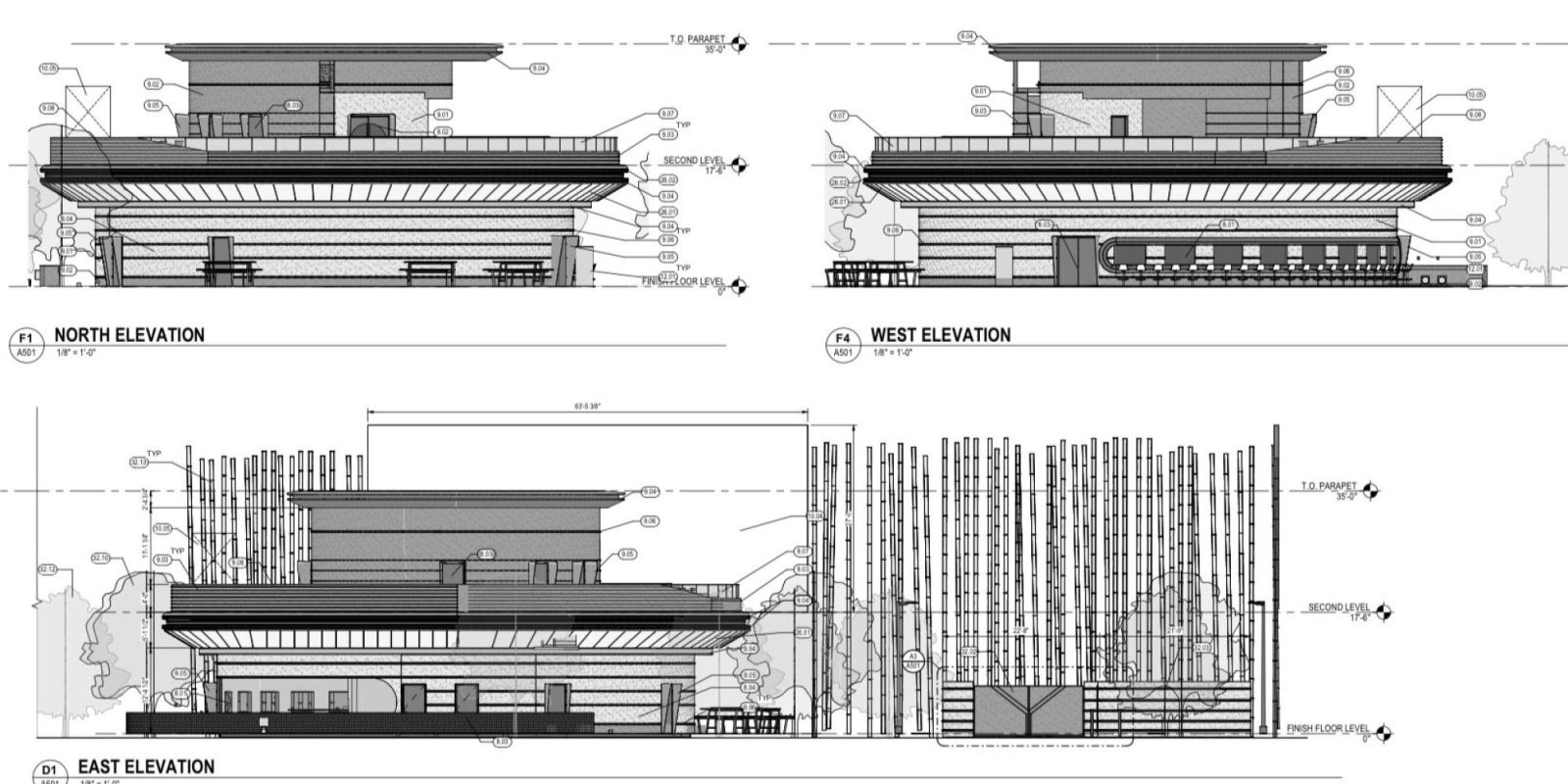
Quietly, Tesla has extended its supercharger network nationwide. In 2022, they subtly filed patents on drive in style establishments to further their offerings to hospitality and retail. This jump may allow the company to dominate consumer preferences by holistically serving the needs of the modern auto traveler.
What’s going on with EVs?
2023 has seen major headlines from EV manufacturers in the US. Volatility of consumer confidences has revealed concerns about the efficiencies of supply chains, maintenance on electric vehicles, ranges, battery faults, and more.
Rivian owners complain of high-priced maintenances and battery swaps shortly after purchase. Bad news for a publicly-traded independent automaker trying to play catch up with the rest of the industry. Audi, Kia, Toyota, and Ford have introduced their models to the market, but have failed their sales goals of electric tot ICEs.
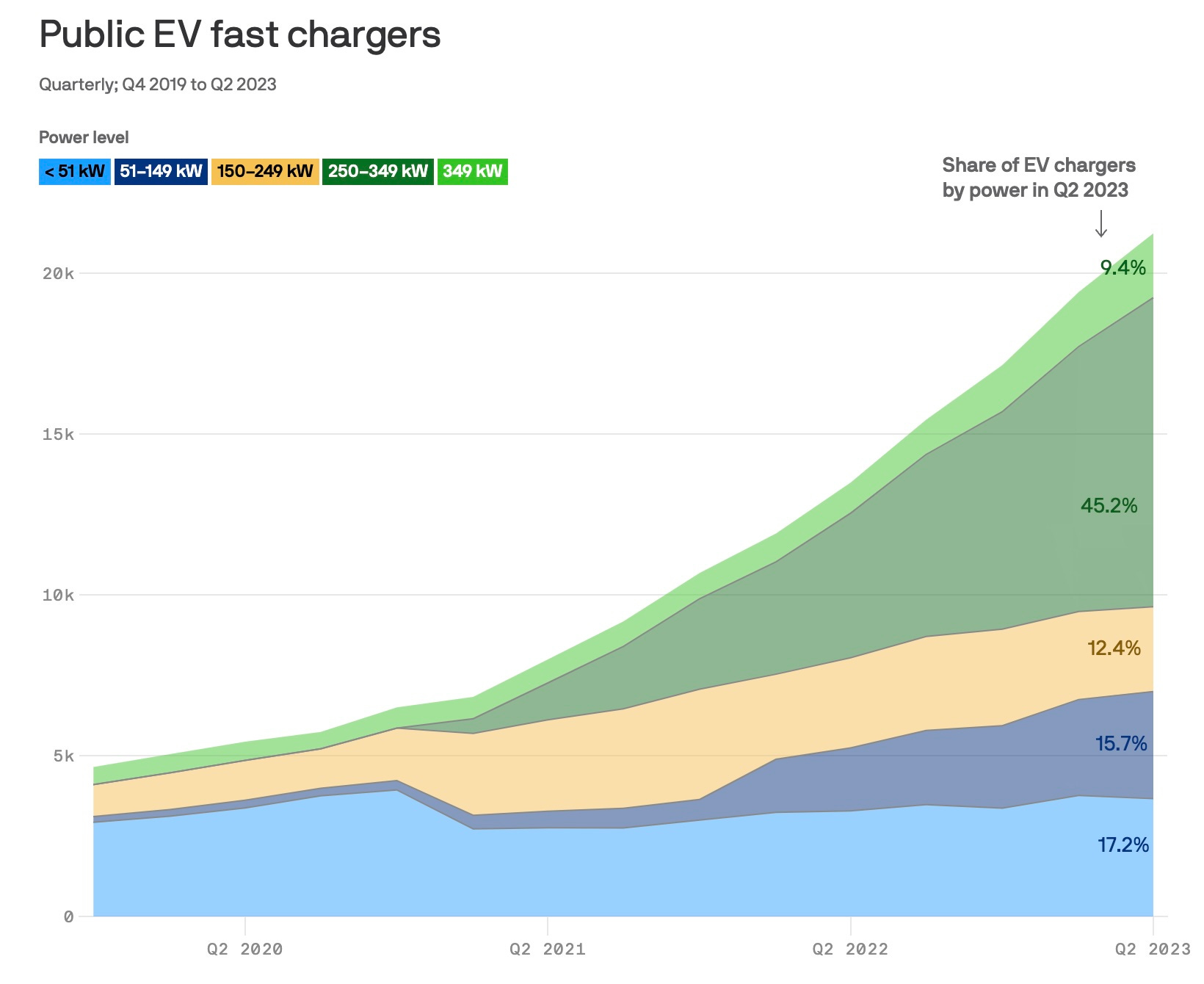
Metropolitan areas have installed the necessary infrastructure to establish an EV market, but the routes to get to these places have yet to establish charging networks for the various makes. Lack of infrastructure in these rural areas fails to serve the burgeoning of other EV makers. The consequence — there are pockets with charging placements capable of navigating around major cities, but only Tesla has realized the ability to serve those traveling nationwide.
Biden’s EV Infrastructure Bill — Boom of Credits
Wisely, Elon Musk has used federal credits to establish dominance nationwide. In December 2021, the Biden Administration authorized $1.2 trillion for EV infrastructure, the largest infrastructure bill passed in the history of the US. Each state is allotted an amount to establish charging infrastructure for its highway systems.
In my home state of Virginia, Tesla has partnered with Sheetz (a growing gas top and rest station well-known for its food), to establish a dominant charging network across the state. This allows travelers to navigate seamlessly across the state, creating a moat for Tesla in affluent areas, such as Northern Virginia. Partnering with a hospitality partner like Sheetz makes sense. Road trip downtime during charging can be spent inside the establishment while travelers eat, drink, and plan their journey.
What’s Next?
Tesla plans to expand their offerings to food and retail establishments where drivers can stop and enjoy a cup of coffee or catch up on emails while making their way across the country, instead of relying on large partners like Sheetz or other rest stop establishments.
It may be only a matter of time before Tesla fans are able to enjoy a cup of coffee at a Tesla-branded rest stop before getting back on the road.
Resources
(Tesla's drive-in restaurant is finally taking shape, Axios) https://www.axios.com/2023/11/13/tesla-restaurant-supercharger-diner-hollywood
(What's really going on with the electric car market?, Axios)
https://www.axios.com/2023/11/07/electric-vehicles-ev-market-tesla
(Electric Vehicle Programs in the Bipartisan Infrastructure Bill, Great Plains Institute)
https://betterenergy.org/blog/electric-vehicle-programs-in-the-bipartisan-infrastructure-bill/
(Biden wants network of 500,000 EV chargers. Two states are getting a head start, Washington Post)
https://www.washingtonpost.com/transportation/2023/11/11/electric-vehicle-charging-infrastructure/